
Join the Bluebird Watch at Crown Point
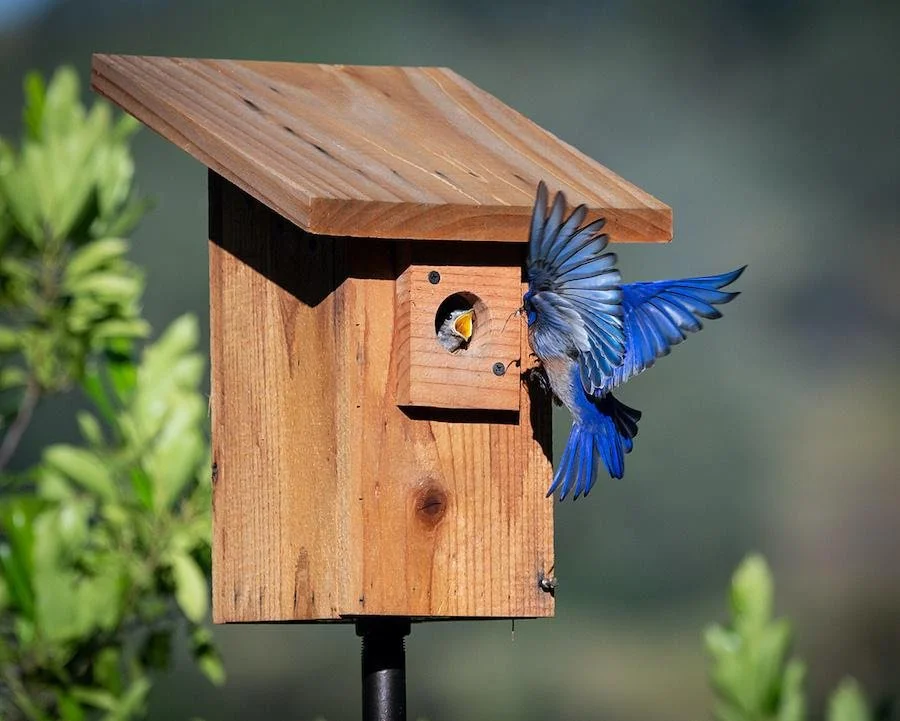
Eastern Bluebirds declined sharply in the mid‑1960s due to habitat loss, pesticide use, and competition from invasive species.
Thanks to nest‑box programs, sustainable land use and conservation efforts, their population has improved — and with your help, Crown Point is contributing to that recovery.
How You Can Help
As part of a new citizen‑science program, we are installing a series of nest boxes across Crown Point for a planned Bluebird Trail led by volunteer Kate Loveless. Help us collect data which supports our conservation efforts.
Download the iNaturalist app and search “Bluebird’s at the Crown Point Ecology Center” to join our project and record your findings!
How To Participate
Eastern Bluebirds are cavity nesters: they cannot excavate their own holes and depend entirely on dead trees, old woodpecker cavities, or nest boxes that people take the time to build and maintain.
By participating in this project, you are directly contributing to their continued recovery in Summit County.
Walk our new Bluebird Trail, between April and August
Are there any birds using the box? If so, are they:
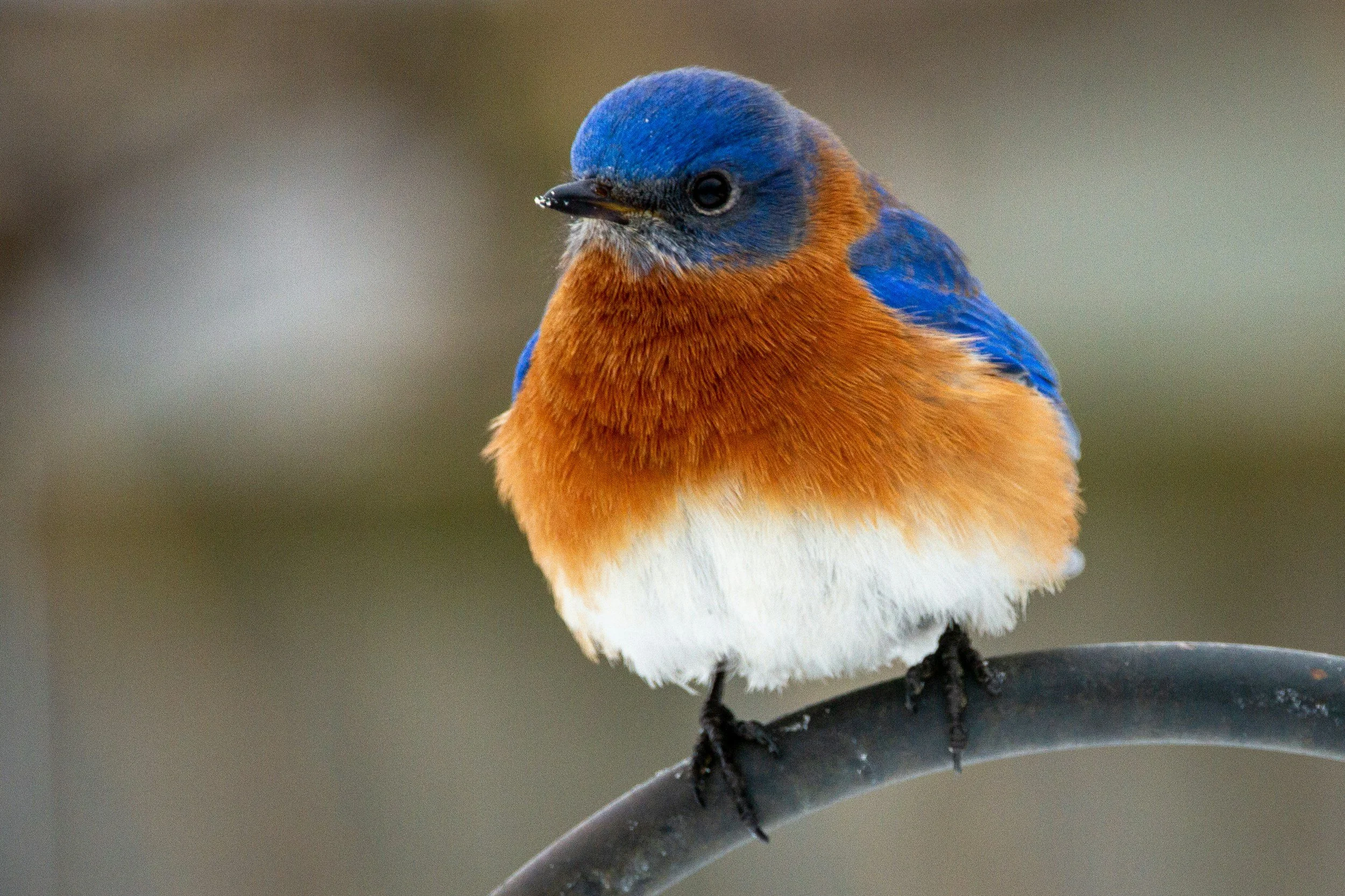
Eastern Bluebird
Tree Swallow
House Wren
Other Species?
How to determine which species is using the bird boxes? Snap a photo on your device, upload it to iNaturalist and assign it to Crown Point’s Bluebird Project!
Is there visible Bluebird activity around the nest box? Note your findings on the iNaturalist app in the “Journal” or “Notes” section.
Perching on or near the box
Entering or exiting the box
Carrying nesting material (grass, pine needles, twigs)
Carrying food into the box
Removing fecal sacs
Territorial behavior (chasing, calling, wing‑fluttering)
Can you see any signs of young birds?
Adults making frequent trips with food
Fledglings perched nearby
Begging calls from inside the box
Optional habitat notes:
Recent mowing or tall grass
Presence of shrubs, perches, or nearby trees
Weather conditions
Insect abundance in the area (Bluebirds are insectivores)
Other wildlife nearby (wrens, swallows, predators)
Bluebird Watching Tips
While we want you to enjoy monitoring for bluebirds on our trails, please DO NOT OPEN the nest boxes. This can disrupt the birds using the nest box and could lead to problems with the eggs or hatchlings. It is best to observe from a distance and watch as the parents go in and out of the boxes tending to their young. Binoculars can give you a great close up look without intruding on the birds.
Want to Get Involved?
If you would like to volunteer to help us monitor the success of our conservation efforts, please contact our Office Manager, Nick Palmer, for further information.
Nick Palmer, Office Manager at Nick@crownpointecology.org or call 330-668-8992.
